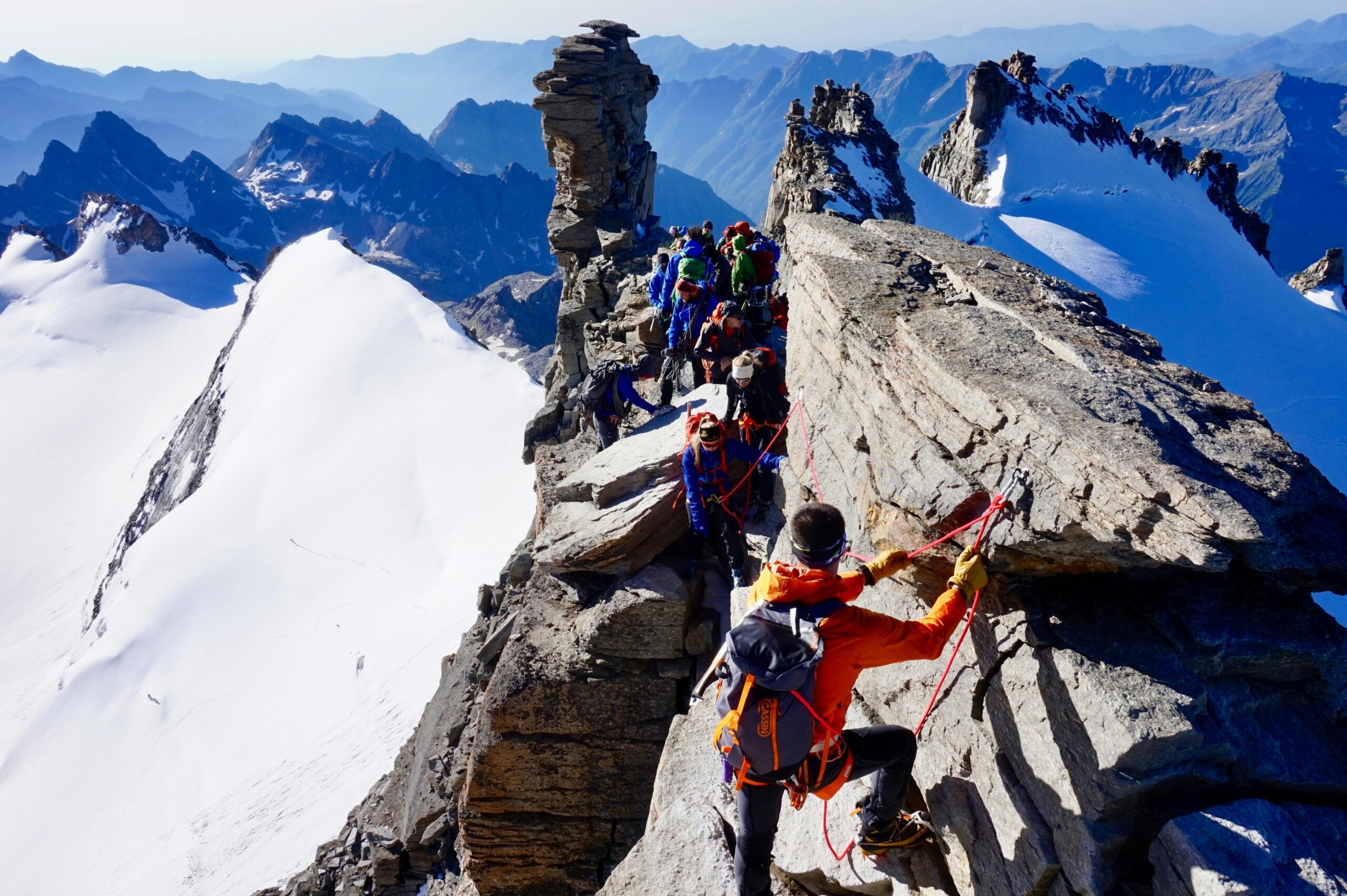
Alpine rock climbing has rapidly moved from a specialized pursuit to a bucket-list goal for many outdoor enthusiasts. More climbers are stepping beyond local crags and gym walls, drawn by towering peaks and long routes that demand both skill and stamina. With every season, alpine areas are seeing more visitors eager to experience the intensity and beauty that only high-altitude climbing can offer.
At the same time, this shift reflects a broader craving for authentic adventure. People want challenges that feel real, not rehearsed, and alpine climbing delivers exactly that. Because it blends physical effort with unpredictable mountain conditions, it creates stories worth remembering—and that’s a major reason it continues to grow.
Why Alpine Rock Climbing Feels So Different
Unlike traditional rock climbing, alpine routes often require a full spectrum of mountain skills. Climbers may need to scramble over loose ridges, climb technical pitches, and manage exposure for hours at a time. Instead of focusing only on movement, alpine climbing becomes a complete experience involving navigation, pacing, and constant decision-making.
Additionally, the environment itself changes everything. Higher elevations can mean colder temperatures, thinner air, and fast-moving weather systems. Even if the rock is solid, the mountain adds pressure that can’t be replicated elsewhere. For many climbers, that added complexity is exactly what makes alpine routes so thrilling.
Adventure Culture Is Driving the Trend
Modern adventure culture has helped push alpine rock climbing into the spotlight. As outdoor sports become more mainstream, people are naturally searching for the next level of challenge. Alpine climbing offers that upgrade by combining technical difficulty with wild, remote landscapes that feel far from everyday life.
Furthermore, the sport aligns perfectly with the desire for personal growth. Climbers often describe alpine routes as transformative because they require patience, teamwork, and resilience. In other words, it’s not only about reaching the summit—it’s about becoming stronger through the process.
Social Media Sparked Curiosity and Confidence
Social media has undeniably boosted alpine climbing’s popularity. Images of climbers high above glaciers, clipped into sharp ridges, or standing on dramatic summits inspire thousands of viewers instantly. As a result, more people begin researching alpine routes and imagining themselves in those same breathtaking settings.
However, it’s not just the highlight reels that matter. Many climbers now share honest details about preparation, setbacks, and safety lessons. That realism helps newcomers understand what alpine climbing truly involves. Because of that, interest grows in a healthier way—fueled by knowledge, not just hype.
Improved Gear Makes Big Routes More Reachable
Advancements in climbing gear have made alpine objectives feel more achievable than ever. Lightweight helmets, durable ropes, and compact protection tools allow climbers to move efficiently without carrying excessive weight. As a result, longer routes become more manageable, especially for those still building confidence.
In addition, clothing technology has improved dramatically. Breathable insulation layers and weather-resistant shells help climbers stay warm and dry without overheating. While alpine conditions will always be demanding, better gear reduces unnecessary struggle and helps climbers focus on the climb itself.
Technology Is Changing How Climbers Plan
Planning alpine climbs used to rely heavily on guidebooks and word-of-mouth. Now, climbers can access route descriptions, GPS tracks, and trip reports instantly. This makes it easier to choose objectives that match skill level, which encourages more people to step into alpine terrain with realistic expectations.
Moreover, weather forecasting tools have become essential for safety and strategy. Real-time updates help climbers avoid dangerous storms and choose better timing. Although nothing guarantees perfect conditions, having more information increases confidence, and that confidence often leads climbers to aim higher.
Training Has Become More Structured and Effective
One reason alpine climbing is growing is because climbers are training smarter. Instead of relying only on experience, many people follow structured plans focused on endurance, strength, and mobility. This type of preparation is especially valuable for alpine routes, where long days and repeated effort can wear down even strong climbers.
Additionally, indoor climbing gyms have become stepping stones to bigger adventures. Many climbers start inside, then transition to outdoor routes, and eventually move into alpine terrain. This steady progression builds competence over time. Consequently, more climbers are reaching the mountains with stronger skills and better awareness.
The Deep Satisfaction of Self-Reliance
Alpine rock climbing demands a level of independence that many people find exciting. Climbers must manage their own systems, make careful choices, and adapt quickly when things change. Unlike controlled environments, alpine routes reward preparation and punish carelessness, which makes every decision feel meaningful.
Even so, the satisfaction goes beyond the technical side. When climbers solve problems in real time—like adjusting to weather shifts or finding the correct line—they feel a strong sense of accomplishment. That self-reliance is empowering, and it’s one of the biggest reasons people fall in love with the sport.
Community and Partnership Matter More in the Alps
Alpine climbing is built on teamwork. Since the terrain can be complex and the stakes can be higher, trust between partners becomes essential. Many climbers say their strongest friendships were formed during long approaches, tough pitches, and quiet summit moments that required shared effort.
At the same time, the alpine community tends to be generous with knowledge. Experienced climbers often mentor newer ones, helping them learn efficient systems and safe habits. This support creates a culture of progression rather than competition. As more climbers join, that shared learning strengthens the entire sport.
Guided Experiences Are Bringing in New Climbers
Guiding services and alpine courses have also made the sport more accessible. For beginners, a professional guide can provide a safe introduction to big terrain while teaching essential skills. This lowers the barrier to entry and helps climbers experience alpine routes without unnecessary risk.
Likewise, instructional programs offer a clear path for development. Courses focused on multi-pitch transitions, anchor building, and mountain decision-making help climbers improve quickly. With more training options available, people can step into alpine climbing with better preparation, which supports long-term growth.
The Future of Alpine Rock Climbing
Alpine rock climbing is rising because it offers something rare: true adventure with unforgettable rewards. It challenges the body, sharpens the mind, and places climbers in landscapes that feel almost unreal. For those who crave depth and excitement, it’s the perfect combination.
Looking ahead, the sport will likely keep growing as gear improves and education becomes more widespread. Still, the essence of alpine climbing will remain unchanged—early starts, long routes, and the unmatched feeling of standing on top after earning every step.