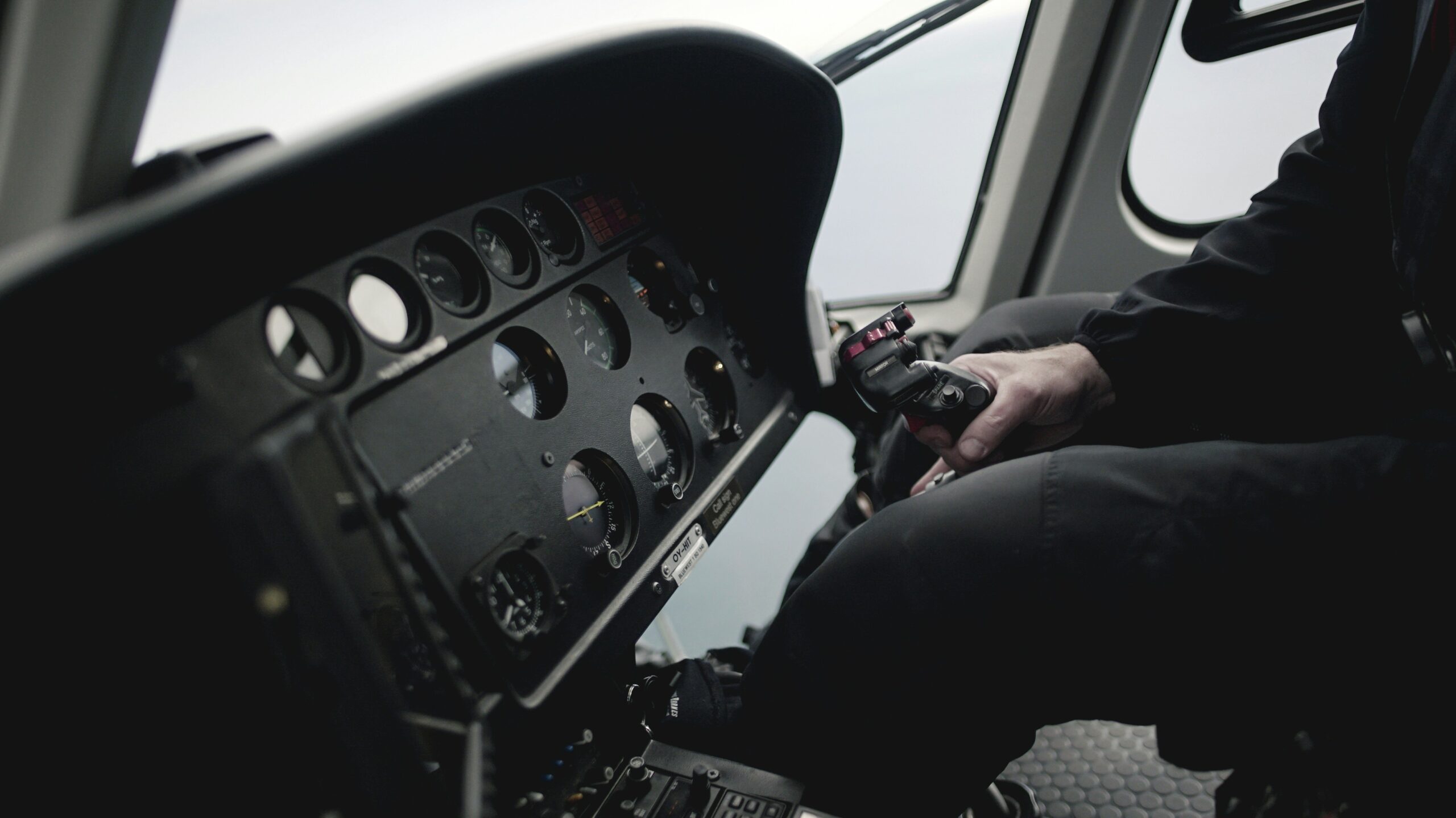
Flying an aircraft is often linked with clear skies and open views. Yet real-world flying does not always offer perfect weather. Clouds, fog, rain, and darkness can block outside vision without warning. This is where instrument flight becomes essential. Instrument flight is the skill that allows pilots to fly safely when they cannot rely on what they see outside the cockpit. It is not just for professionals. It is a core safety skill for any serious pilot.
Instrument flight training builds confidence, sharp thinking, and steady control. It prepares pilots to handle changing conditions with calm focus. Learning these skills helps pilots fly beyond visual range while remaining safe and precise.
What Instrument Flight Really Means
Instrument flight is flying an aircraft using cockpit instruments instead of outside visual cues. When clouds or low visibility hide the horizon, pilots must trust their instruments. These tools show altitude, speed, direction, and aircraft position.
The main challenge of instrument flight is human perception. The body can feel movement that is not real. This can lead to disorientation. Instruments provide reliable data that does not change due to illusions or stress. Learning to trust them takes practice and discipline.
Pilots trained in instrument flight learn to scan instruments in a steady pattern. They make minor corrections instead of large movements. This keeps the aircraft stable and on course.
Why Instrument Flight Matters for All Pilots
Many pilots believe instrument flight only applies to airline or cargo pilots. This belief is risky. Weather can change quickly, even during short flights. A clear day can turn cloudy in minutes.
Instrument flight skills help pilots escape dangerous situations. They provide options when visibility drops. Even pilots who fly mostly in good weather benefit from this training.
Instrument flight also improves overall flying skill. It sharpens awareness, timing, and precision. Pilots often notice smoother control and better decision-making after training.
Core Instruments Every Pilot Must Understand
Instrument flight depends on six primary flight instruments. Each plays a key role in keeping the aircraft safe.
The attitude indicator shows the aircraft’s pitch and bank. It is the most important reference during instrument flight.
The heading indicator shows direction. It helps pilots maintain or change course.
The altimeter shows height above sea level. It keeps the aircraft within safe altitude limits.
The airspeed indicator shows speed through the air. It helps prevent stalls or overspeed.
The turn coordinator shows rate of turn and coordination.
The vertical speed indicator shows climb or descent rate.
Pilots must learn how these instruments work together. No single instrument tells the full story.
Building a Strong Instrument Scan
A proper scan is the foundation of instrument flight. Scanning means checking instruments in a regular order. This helps detect changes early.
New pilots often fixate on one instrument. This causes missed information. A smooth scan moves from the attitude indicator to supporting instruments, then back again.
Practice builds speed and accuracy. Over time, the scan becomes automatic. This frees mental space for navigation and communication.
Flying Approaches Without Visual References
One of the most demanding parts of instrument flight is the instrument approach. This is the process of lining up with a runway using only instruments.
Approaches require careful planning. Pilots must manage altitude, speed, and direction with precision. Charts guide each step of the approach.
Calm focus is critical. Rushing leads to errors. A steady pace and clear checklist use support safe outcomes.
When the runway finally comes into view, pilots transition smoothly to visual flight. This moment shows the true value of instrument training.
Weather Awareness and Decision Making
Instrument flight is not about pushing limits. It is about managing risk. Pilots must understand weather patterns and forecasts.
Knowing when to continue and when to divert is a key skill. Instrument flight offers options, not invincibility. Severe weather should still be avoided.
Good decisions start before takeoff. Reviewing weather reports, fuel planning, and alternate airports builds safety into every flight.
Training Habits That Lead to Mastery
Instrument flight skills fade without use. Regular practice keeps skills sharp. Many pilots fly with safety pilots or instructors to stay current.
Simulator training is also valuable. It allows practice of rare emergencies in a safe setting. This builds confidence and muscle memory.
Using checklists, briefings, and clear communication reinforces good habits. These habits carry over into all areas of flying.
Staying Calm Under Pressure
Stress affects performance. Instrument flight training teaches pilots to slow down mentally. Simple steps, spoken aloud, reduce overload.
Breathing control and clear priorities help manage pressure. Aviate, navigate, communicate remains the guiding rule.
Pilots who stay calm make better choices. Instrument flight builds this calm through structure and repetition.
The Long-Term Value of Instrument Flight Skills
Instrument flight skills last a lifetime. They grow stronger with experience. Many pilots say this training changed how they view flying.
Confidence increases, fear decreases, and respect for weather grows. Instrument flight is not about flying blind. It is about flying informed.
Mastering instrument flight allows pilots to fly beyond sight with control and clarity. It turns uncertainty into structured action. For any pilot, this skill is a powerful step toward safer and smarter flying.