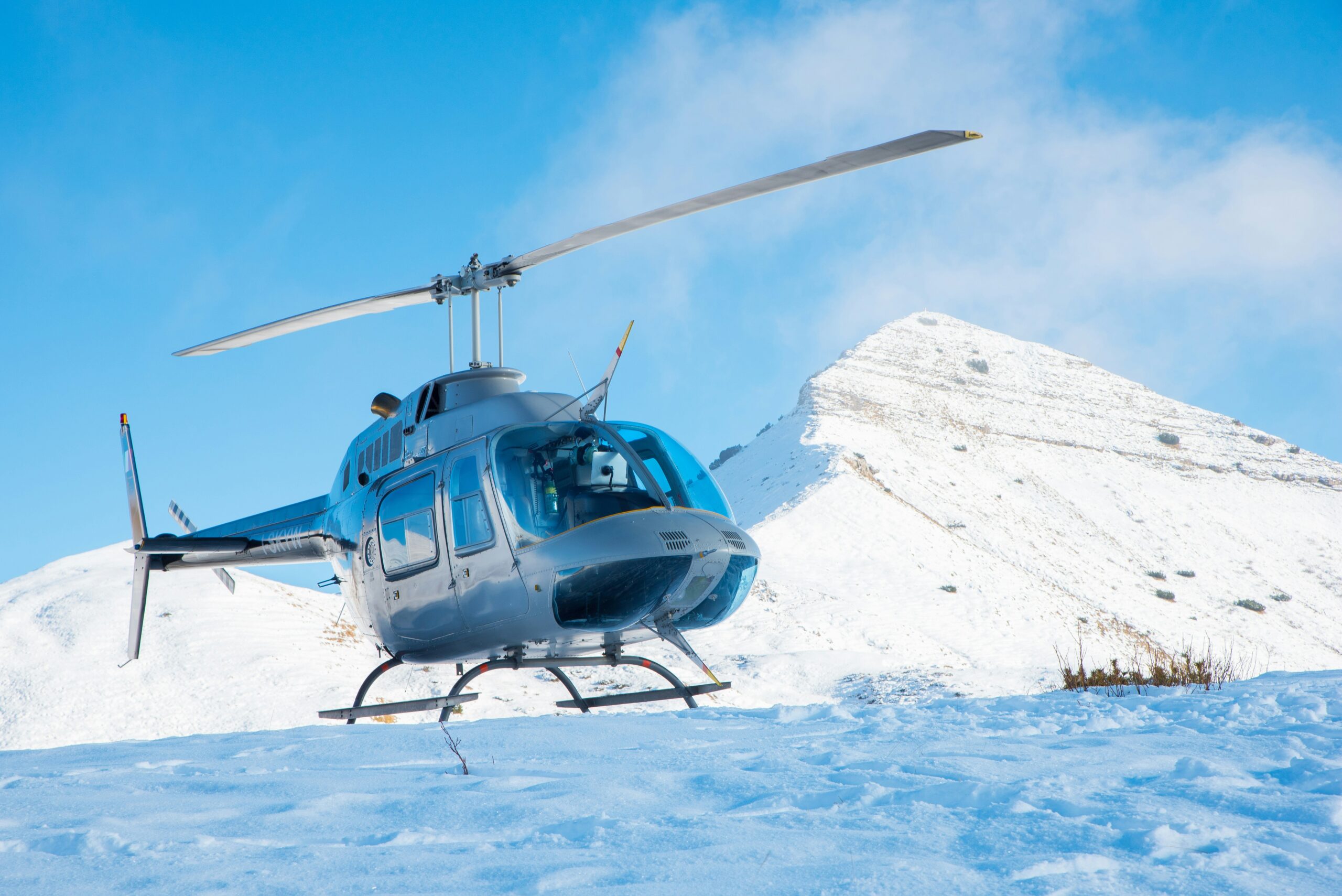
Teaching someone to fly requires patience, clear communication, and careful observation. Flight instructors spend countless hours helping students understand complex concepts while staying calm under pressure. Interestingly, many of these skills translate directly to mountain environments, where teaching and guiding others also demand focus, safety, and adaptability. By examining the overlap, it becomes clear that the principles of flight instruction can improve performance and safety in alpine and snow-covered terrain.
In the mountains, whether climbing, skiing, or guiding expeditions, instructors must anticipate challenges, manage risk, and communicate effectively with their students or team members. Just as in the cockpit, preparation and attention to detail are essential. The mental frameworks developed in flight teaching provide a solid foundation for navigating icy slopes and rocky ridges with confidence.
Clear Communication and Instruction
In flight instruction, clarity is crucial. Students rely on verbal cues and demonstrations to understand maneuvers, navigation, and safety procedures. Similarly, in mountain environments, clear communication ensures that every team member understands the plan and can act safely. A misplaced instruction or unclear guidance in the mountains can lead to accidents, just as it could in a cockpit.
Moreover, flight instructors learn to adjust their explanations based on the learner’s experience and comfort level. In the mountains, this skill allows guides to tailor instruction to individual abilities. By observing students closely, instructors can provide timely feedback and correct techniques before small mistakes escalate into serious problems.
Situational Awareness and Risk Management
Flight instructors constantly monitor multiple factors, including weather conditions, student behavior, and aircraft performance. This situational awareness is directly applicable to mountain teaching, where conditions can change rapidly. Snowpack stability, weather patterns, and physical exertion all influence safety decisions. Instructors who are trained to evaluate multiple variables can make better, faster decisions in the field.
Additionally, risk management in aviation focuses on anticipating potential hazards and planning accordingly. In mountain environments, instructors apply the same principles by assessing avalanche danger, route difficulty, and emergency preparedness. This proactive approach minimizes risk while keeping students engaged and confident.
Patience and Mental Resilience
Teaching a student to fly tests patience, especially when learners struggle with coordination, confidence, or understanding complex concepts. Instructors develop mental resilience as they guide students through repeated exercises and setbacks. These same qualities are valuable in mountain instruction, where students may face physical fatigue, fear, or environmental stressors.
By modeling calmness and persistence, instructors help learners navigate challenges without panic. This consistency encourages trust, which is essential for both aviation and alpine training. Students respond positively to mentors who maintain focus and composure, thereby enhancing learning outcomes in high-pressure environments.
Step-by-Step Progression
Flight instruction relies heavily on structured, step-by-step learning. Instructors break down maneuvers into smaller, manageable components before combining them into complete sequences. This method ensures that students build competence gradually and safely—similarly, mountain instruction benefits from a progressive approach.
For example, a climbing guide might teach basic footwork, balance, and rope handling before attempting steeper or more exposed terrain. Ski instructors often begin on gentle slopes before progressing to more challenging runs. By breaking complex tasks into achievable steps, instructors help students build confidence and mastery while reducing the risk of mistakes.
Observational Skills and Feedback
In aviation, instructors constantly observe students’ posture, control inputs, and situational awareness. They offer immediate feedback to correct errors and reinforce good habits. In mountain environments, keen observation is equally important. Instructors monitor body position, pacing, and decision-making during climbs or snow travel to ensure safety and efficiency.
Timely feedback improves performance and prevents small errors from becoming dangerous situations. Just as a flight instructor might adjust a student’s approach to a landing, a mountain guide can refine a student’s movement on ice or snow. This attention to detail builds skill, confidence, and safety simultaneously.
Adaptability to Changing Conditions
Mountain environments are unpredictable. Weather can change within minutes, snow conditions vary, and terrain can shift unexpectedly. Flight instructors develop adaptability as they adjust teaching strategies based on weather, aircraft behavior, or student needs. This skill translates naturally to the mountains, enabling instructors to quickly modify plans, routes, and techniques.
Flexibility also helps instructors maintain morale and safety. If a planned route becomes unsafe due to ice or snow, the instructor can pivot to alternative routes without compromising learning objectives. This adaptability encourages students to remain engaged and resilient.
Building Trust and Teamwork
Trust is central to both flight and mountain instruction. Students must rely on the instructor’s expertise and guidance to navigate risks safely. In turn, instructors need confidence in students’ ability to follow instructions and respond appropriately. In mountain environments, teamwork becomes even more critical, as group safety depends on each participant’s actions.
By fostering trust and clear communication, instructors create a learning environment where students feel supported and empowered. This culture encourages collaboration, reduces hesitation, and enhances overall performance. In both the cockpit and on the mountain, trust and teamwork are essential to success.
Transferring Lessons Beyond the Classroom or Trail
The skills honed in flight instruction provide lasting benefits for mountain teaching and guiding. Attention to detail, structured learning, risk assessment, and communication all enhance student outcomes. Pilots who become mountain instructors often find that their aviation experience strengthens their decision-making, patience, and observation skills in alpine environments.
Moreover, the lessons learned in these environments carry into other areas of life. Students develop confidence in managing risk, making decisions under pressure, and learning new skills step by step. These transferable skills improve problem-solving, leadership, and resilience beyond both flying and climbing.
Flight teaching offers valuable lessons that translate directly to mountain environments. Clear communication, situational awareness, structured progression, and adaptability support safe, effective instruction in high-stakes settings. By applying aviation principles to alpine and snow-covered terrain, instructors enhance both student learning and safety. Whether in a cockpit or on a peak, the combination of skill, patience, and process ensures success.