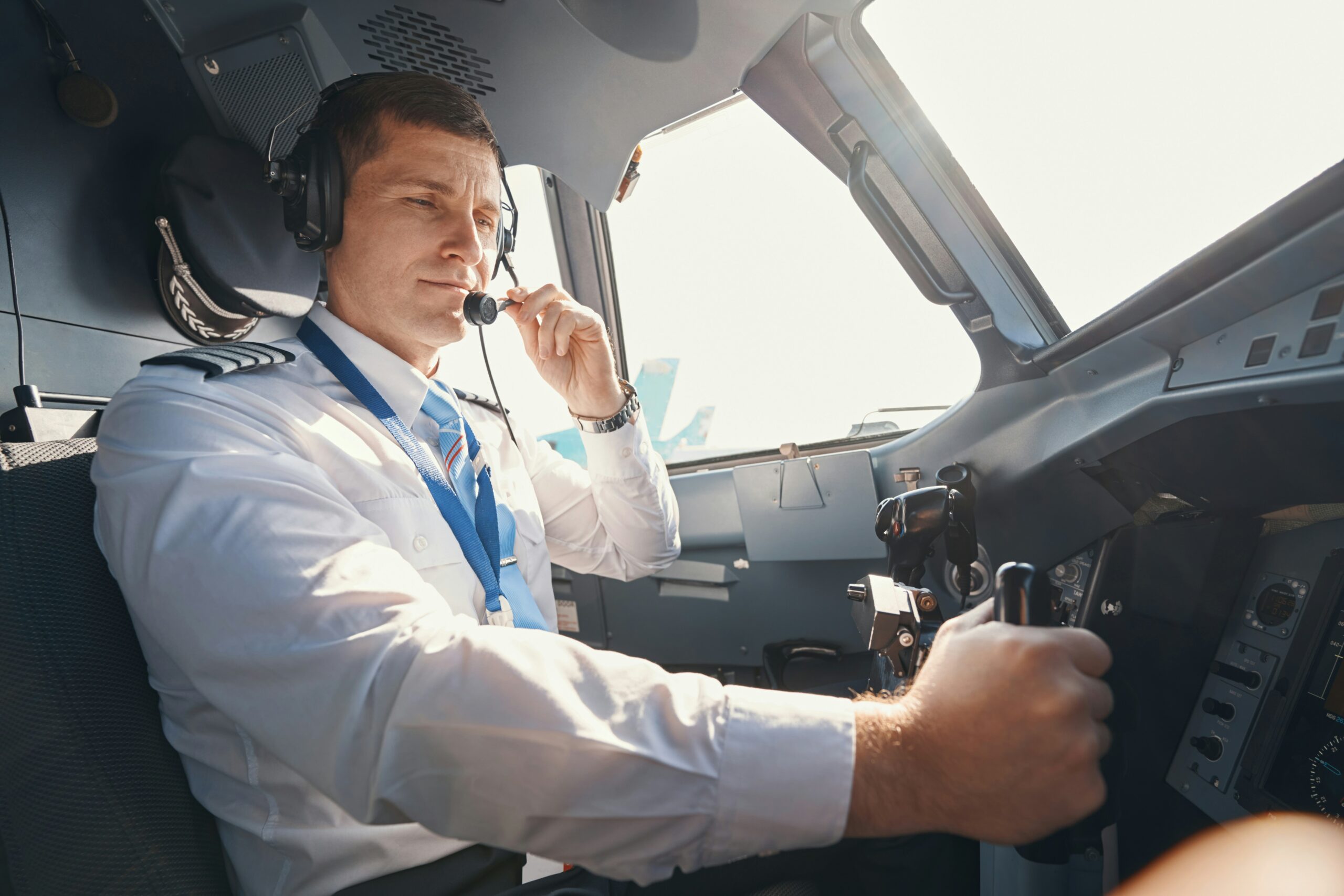
Modern cockpits include glass panels, automation, and advanced navigation systems. Yet, many experienced pilots still value the tailwheel endorsement because it teaches strong flying fundamentals. Tailwheel aircraft require precise control, constant attention, and smooth handling. Therefore, pilots who complete tailwheel training often develop sharper instincts and better aircraft awareness.
Furthermore, tailwheel airplanes connect modern pilots with aviation’s roots. Early aircraft almost always used tailwheel configurations. As a result, training in these aircraft helps pilots understand the original techniques that shaped aviation safety and skill. Even in a world of advanced aircraft, tailwheel training continues to build disciplined, capable aviators.
Understanding the Unique Tailwheel Aircraft Design
A tailwheel airplane places the third wheel behind the center of gravity rather than at the nose. Because of this design, the aircraft behaves differently during taxi, takeoff, and landing. Pilots must manage directional control carefully, since the aircraft naturally tends to turn when the pilot relaxes control inputs.
Moreover, the limited forward visibility while taxiing requires pilots to remain alert and proactive. Pilots often use gentle S-turns to see ahead of the aircraft. These habits develop strong situational awareness. Consequently, pilots who train with tailwheel aircraft learn to stay ahead of the airplane rather than reacting too late.
Tailwheel Training Builds Superior Rudder Skills
Many pilots who transition from tricycle-gear aircraft quickly notice how much rudder coordination matters in tailwheel airplanes. Because the aircraft sits differently on the ground, even small control inputs affect direction. Therefore, pilots must use coordinated rudder movements throughout the takeoff roll and landing.
Additionally, tailwheel flying teaches pilots to manage crosswinds better. The aircraft responds quickly to wind and runway conditions. As a result, pilots learn to anticipate changes and adjust controls smoothly. These refined rudder skills improve performance in all aircraft types, not just tailwheel airplanes.
Ground Handling Challenges Strengthen Pilot Discipline
Ground handling often creates the biggest learning curve in tailwheel training. Pilots must manage torque, propeller effects, and directional stability during taxi and takeoff. If the pilot fails to correct these forces early, the aircraft may begin a rapid turn known as a ground loop.
However, this challenge builds strong discipline and awareness. Pilots quickly learn to apply precise control inputs while maintaining focus on runway alignment. Over time, they develop muscle memory and quick responses. As a result of this training, pilots who earn a tailwheel endorsement often demonstrate excellent control and attention throughout all phases of flight.
Tailwheel Landings Teach Precision and Timing
Landing a tailwheel aircraft demands careful timing and proper attitude control. Pilots must maintain alignment with the runway while controlling speed and descent. In addition, they must keep the aircraft straight after touchdown, which requires active rudder use and quick corrections.
Moreover, tailwheel pilots practice both wheel landings and three-point landings. Each technique teaches different control strategies and improves pilot flexibility. Consequently, pilots gain deeper knowledge of aircraft behavior near stall speeds and at touchdown. These experiences strengthen overall landing proficiency across many aircraft types.
Tailwheel Endorsement Improves Overall Pilot Confidence
Confidence grows when pilots master challenging skills. Tailwheel training pushes pilots to refine coordination, judgment, and control precision. Because the aircraft responds quickly to small mistakes, pilots must remain calm and focused throughout the flight.
As pilots progress, they begin to trust their instincts and control inputs. They also develop better decision-making skills in varying wind conditions and runway environments. Therefore, the tailwheel endorsement does more than add a qualification to a pilot’s logbook. It builds lasting confidence, supporting safe flying across many aircraft categories.
Why Tailwheel Training Still Matters in Modern Aviation
Modern aviation technology helps pilots navigate and manage aircraft systems. However, no technology replaces strong stick-and-rudder skills. The tailwheel endorsement focuses directly on these fundamental flying abilities, which remain essential for every pilot.
Furthermore, many flight instructors recommend tailwheel training to sharpen basic skills. Pilots who train in tailwheel aircraft often display smoother control, better crosswind techniques, and improved situational awareness. For this reason, the endorsement continues to hold strong value even in advanced aviation environments.
Career Benefits of Tailwheel Experience
Although tailwheel training may seem traditional, it still benefits professional pilots. Many specialized aviation jobs involve tailwheel aircraft. For example, bush flying, agricultural aviation, and vintage aircraft operations often require pilots with tailwheel experience.
Additionally, employers in these fields prefer pilots who understand the unique handling characteristics of tailwheel aircraft. Because of this, a tailwheel endorsement can open doors to specialized flying opportunities. It also demonstrates dedication to mastering aviation fundamentals, which many aviation organizations respect.
Tailwheel Aircraft Encourage Active Flying
Modern aircraft sometimes encourage pilots to rely heavily on automation. While technology helps reduce workload, it can also distance pilots from the physical aspects of flying. Tailwheel airplanes, however, demand constant attention and active control.
Pilots must remain engaged throughout taxi, takeoff, flight, and landing. Every phase requires awareness of wind, aircraft attitude, and runway alignment. As a result, tailwheel flying keeps pilots mentally and physically involved in the flight. This engagement strengthens pilot awareness and reduces complacency.
Preserving Aviation Heritage Through Tailwheel Training
Tailwheel aircraft represent an important part of aviation history. Many classic airplanes, warbirds, and vintage trainers use the tailwheel configuration. When pilots pursue tailwheel training, they also help preserve the knowledge required to operate these historic aircraft safely.
Moreover, aviation communities often celebrate these aircraft through airshows, restoration projects, and historical flights. Pilots with tailwheel endorsements play a key role in maintaining this heritage. Therefore, tailwheel training supports both modern aviation safety and the preservation of aviation tradition.
The Continuing Value of Tailwheel Endorsement
A tailwheel endorsement continues to hold real value for pilots in today’s aviation environment. While technology advances quickly, strong aircraft-handling skills remain essential for safe, confident flying. Tailwheel training strengthens these skills through practical challenges and precise control.
Pilots who complete tailwheel training often gain improved coordination, awareness, and confidence. These benefits extend far beyond the endorsement itself. As aviation continues to evolve, the lessons learned through tailwheel endorsement training will always remain a powerful foundation for skilled pilots.