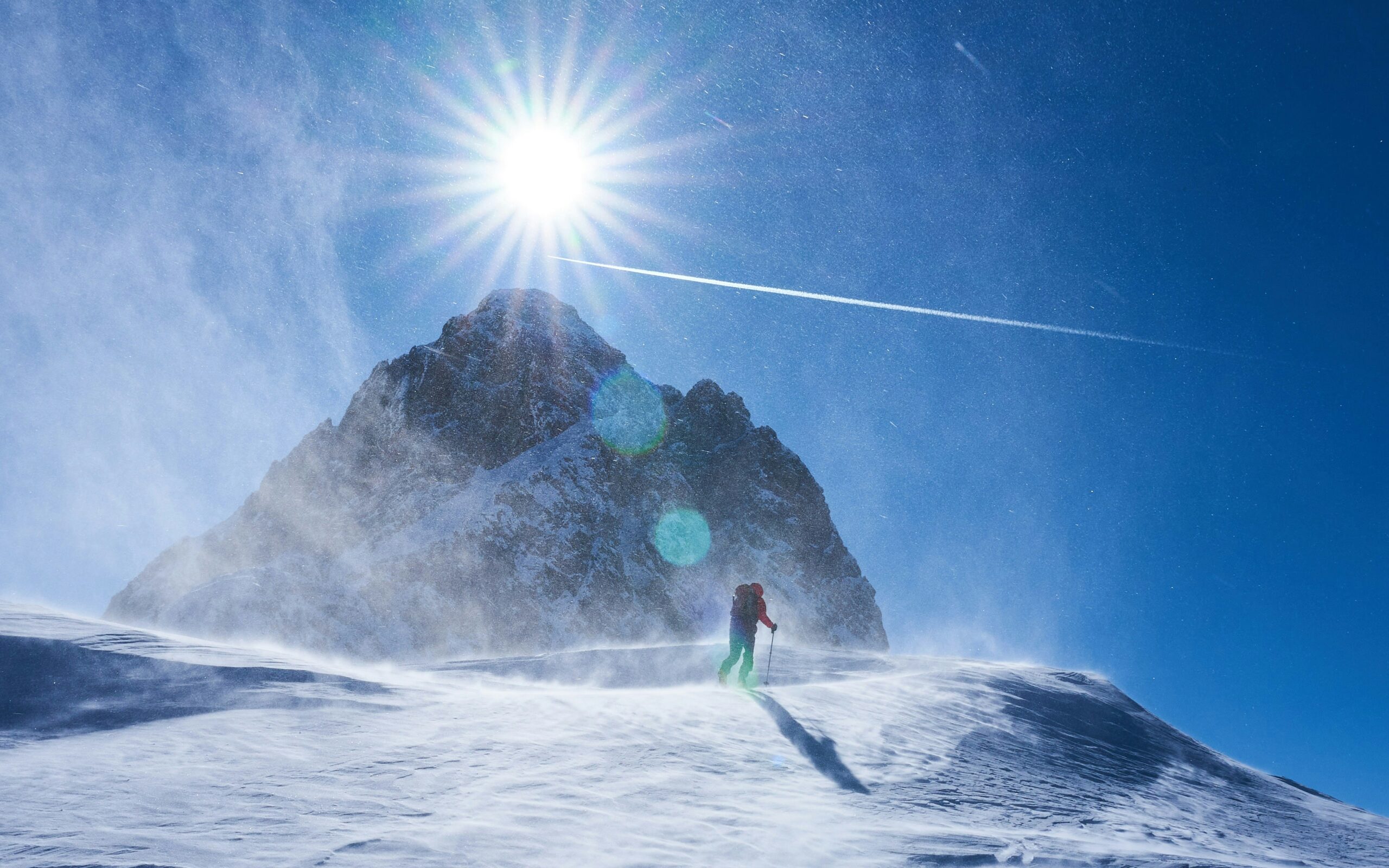
Skiing and climbing may look very different at first. One takes place on snowy slopes, the other on rocky walls. Yet both demand focus, courage, and calm thinking. The link between skiing and climbing is mental strength. Without it, even the best gear and training will not be enough.
Many athletes who enjoy skiing and climbing say the same thing. The body works hard, but the mind works harder. Both sports test how well a person can handle fear, risk, and pressure. From deep powder to steep peaks, mental strength guides every move.
Facing Fear With a Clear Mind
Fear is natural in skiing and climbing. A skier may stand at the top of a steep run and feel their heart race. A climber may look down from a high ledge and feel dizzy. These feelings are normal. What matters is how the mind responds.
Mental strength helps athletes pause and breathe. Instead of panicking, they focus on the next step. A skier thinks about the next turn. A climber thinks about the next hold. Breaking a big challenge into small steps keeps fear under control.
Skiing and climbing both teach this skill. When a skier loses balance, they must adjust fast. When a climber slips, they must stay calm and trust their rope or grip. Fear does not go away, but mental strength keeps it from taking over.
Focus in High Pressure Moments
Both sports require sharp focus. On a ski slope, the snow can change fast. Ice patches, bumps, and other skiers can appear without warning. A small mistake can lead to a fall.
Climbing also demands close attention. Each handhold and foothold must be checked. One wrong move can cost energy or cause a slip. The climber must stay present and alert.
Mental strength keeps the mind from drifting. Distractions can be dangerous in skiing and climbing. A strong mind stays in the moment. It does not think about past mistakes or future worries. It stays locked on the task at hand.
This type of focus takes practice. Over time, athletes train their minds to stay steady. They learn to block out noise and trust their skills.
Building Confidence Through Practice
Confidence does not appear overnight. In skiing and climbing, it grows through steady effort. Each run down the mountain builds trust in one’s ability. Each climb up a wall builds belief in one’s strength.
Mental strength supports this growth. When a skier falls, they must decide to try again. When a climber fails to reach the top, they must reset and start over. Giving up is easy. Pushing forward takes courage.
Skiing and climbing reward those who keep trying. Small wins add up. A smoother turn. A stronger grip. A higher route. These gains boost confidence and reduce doubt.
Confidence also lowers fear. When athletes know they have prepared well, they feel more secure. This calm mindset helps them perform better under pressure.
Managing Risk With Smart Thinking
Skiing and climbing both involve risk. Snow conditions can shift. Weather can change. Rocks can break loose. Because of this, mental strength includes smart decision making.
A strong skier checks the slope before starting. They study the terrain and plan their path. A wise climber inspects their gear and tests each hold. They think before they move.
Mental strength is not about being fearless. It is about knowing when to push forward and when to step back. Sometimes the bravest choice is to stop.
In skiing and climbing, poor choices can lead to injury. A clear mind helps athletes weigh the risks. They ask simple questions. Is this safe. Am I ready. Do I have the skills for this challenge.
These habits protect both body and mind.
Staying Calm Under Physical Strain
Both sports demand strong muscles and endurance. Legs burn on a long ski run. Arms shake during a hard climb. Physical pain can cause panic if the mind is weak.
Mental strength helps athletes stay calm when the body feels tired. A skier nearing the end of a long run must stay focused. Fatigue can lead to sloppy turns. A climber close to the top may feel their grip fade. They must control their breathing and move with care.
Breathing plays a key role. Slow breaths calm the nervous system. Clear thoughts follow steady breathing. In skiing and climbing, this simple tool can prevent mistakes.
Athletes learn to talk to themselves in a positive way. Instead of thinking, I cannot do this, they think, one more step. This small shift makes a big difference.
Learning From Failure
Failure is common in skiing and climbing. A skier may wipe out in deep powder. A climber may fall before reaching the summit. These moments test mental strength more than any success.
Strong athletes treat failure as a lesson. They ask what went wrong. They adjust their technique. They try again.
In skiing and climbing, progress often comes after setbacks. Each fall teaches balance. Each missed hold teaches better planning. The mind grows stronger when it faces failure and keeps going.
This growth builds resilience. Over time, athletes become less afraid of mistakes. They know that falling is part of the journey. This mindset reduces pressure and improves performance.
The Shared Mental Journey
Though skiing and climbing take place in different settings, the mental journey is very similar. Both require courage, focus, patience, and smart thinking. Both push people beyond comfort zones.
Skiing and climbing attract those who seek challenge. The thrill of speed or height is only part of the appeal. The deeper reward comes from mastering the mind.
When a skier glides down a tough slope with control, it shows mental strength. When a climber reaches the top after a hard route, it reflects inner power. These victories start in the mind before they show in the body.
Growing Stronger Beyond the Mountain
The lessons from skiing and climbing extend beyond the mountains. Mental strength gained in these sports can help in daily life. Facing fear, staying focused, and managing risk are useful skills anywhere.
Work stress, personal goals, and tough decisions all require a calm mind. Athletes who train through skiing and climbing often carry this strength into other areas of life.
The slope and the rock wall become teachers. They show that fear can be managed. Focus can be trained. Confidence can grow with effort.
From powder to peaks, the journey is not just physical. It is deeply mental. Skiing and climbing prove that true strength begins in the mind.