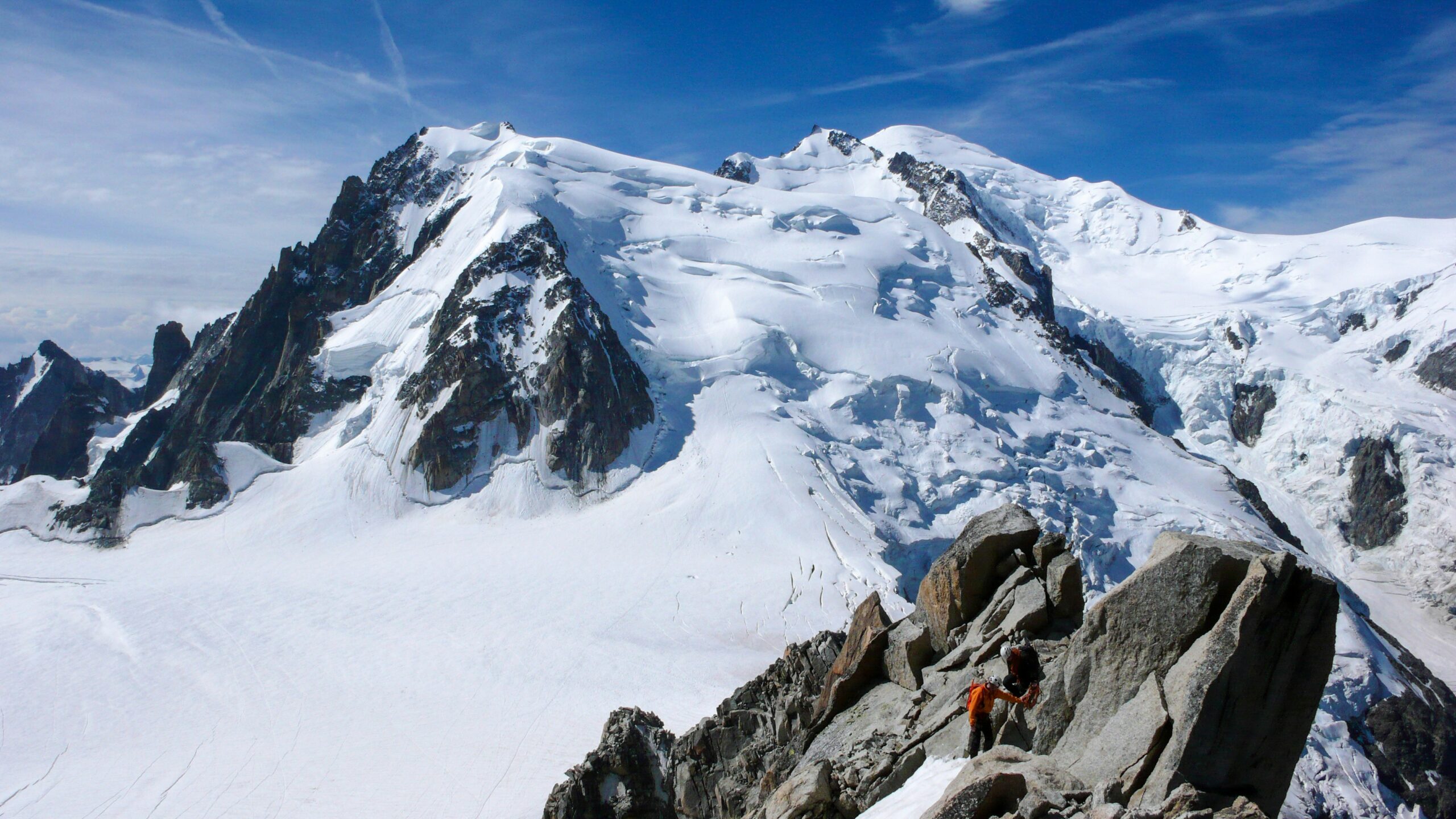
Outdoor adventure is evolving, and today’s explorers are searching for experiences that go beyond the ordinary. Alpine rock climbing has quickly gained attention as one of the most thrilling and rewarding pursuits. It combines the technical precision of climbing with the raw intensity of high-altitude environments, offering a challenge that is both physical and deeply immersive.
This growing interest reflects a shift toward more meaningful and demanding outdoor activities. Alpine climbing is not just about reaching the top of a mountain; it is about navigating unpredictable terrain, adapting to nature, and pushing personal limits. As more people seek authentic adventures, alpine rock climbing continues to grow in popularity as a defining experience for modern explorers.
The Magnetism of Rugged Alpine Terrain
Alpine environments offer a dramatic and inspiring setting that draws climbers from around the world. Massive rock faces, snow-covered peaks, and expansive valleys create a sense of scale that is difficult to match. These landscapes provide not only visual beauty but also a powerful sense of solitude and connection to nature.
However, these same features make alpine climbing uniquely challenging. Climbers must deal with changing weather, varying rock conditions, and the effects of altitude. This unpredictability adds excitement and keeps each climb distinct. For many, the chance to experience these untouched environments is one of the strongest motivations to pursue alpine climbing.
The Physical Demands of High-Altitude Climbing
Alpine rock climbing requires a combination of strength, endurance, and overall fitness. Climbers must be capable of ascending steep rock faces while carrying gear over uneven, often difficult terrain. The physical effort involved can be intense, especially when operating at higher altitudes where oxygen levels are lower.
Endurance becomes a key factor during long climbs lasting an entire day or more. Managing energy levels, maintaining hydration, and staying focused are all essential for success. This demanding nature attracts individuals who enjoy testing their physical limits and achieving goals through determination and persistence.
Mental Strength and Focus Under Pressure
The mental challenge of alpine rock climbing is just as significant as the physical one. Climbers must remain focused in environments where conditions can change quickly. Decisions about route selection, timing, and safety must often be made under pressure.
This need for constant awareness helps develop strong problem-solving skills and resilience. Climbers learn to stay calm, think clearly, and adapt to new situations. These mental skills are not only valuable on the mountain but also in everyday life, making alpine climbing a transformative experience for many participants.
Mastering Technical Skills for Success
Technical ability is essential in alpine rock climbing. Climbers must be proficient in using ropes, placing protection, and moving efficiently across different types of rock. These skills ensure safety and allow climbers to handle complex routes with confidence.
Preparation goes beyond technical knowledge. Climbers must study routes, understand weather patterns, and plan for a variety of conditions. Being well-prepared reduces risk and increases the likelihood of a successful climb. Mastery of these elements is what allows climbers to progress from beginner to experienced alpine adventurer.
Advancements in Climbing Gear and Technology
Modern gear has played a major role in making alpine rock climbing more accessible. Lightweight ropes, durable harnesses, and advanced clothing systems help climbers perform better in harsh conditions. These improvements reduce fatigue and increase overall safety.
Technology has also improved access to information. Climbers can now use digital maps, weather apps, and route databases to plan their adventures more effectively. While these tools enhance the experience, they also require proper understanding to ensure they are used correctly in real-world situations.
The Role of Community and Shared Knowledge
The climbing community has become a strong influence in the growth of alpine rock climbing. Through online platforms, local groups, and shared experiences, climbers can learn from one another and gain valuable insights. This exchange of knowledge makes the sport more approachable for newcomers.
Partnership is another key aspect of climbing culture. Trust between climbing partners is essential for safety and success. These relationships often lead to lasting friendships, as climbers rely on each other in challenging environments. The sense of community adds depth to the experience and encourages more people to get involved.
Environmental Responsibility in Alpine Regions
As the popularity of alpine climbing increases, so does the importance of protecting mountain environments. These ecosystems are fragile, and even small impacts can have lasting effects. Climbers are encouraged to follow responsible practices that minimize their footprint.
This includes carrying out waste, respecting wildlife, and avoiding damage to natural features. Many climbers take pride in preserving the areas they explore, recognizing that these landscapes are a shared resource. By practicing environmental responsibility, they help ensure that future generations can enjoy the same experiences.
Balancing Risk with Smart Decision-Making
Alpine rock climbing involves risks that must be managed carefully. Weather changes, rockfall, and altitude can all create dangerous situations. Understanding these risks and preparing for them is a critical part of the sport.
Climbers must develop the ability to make smart decisions, including knowing when to continue and when to turn back. This balance between ambition and caution is essential for long-term success and safety. Responsible decision-making allows climbers to enjoy the adventure while minimizing unnecessary danger.
The Continued Growth of Alpine Climbing
Interest in alpine rock climbing is expected to continue growing as more people seek challenging and meaningful outdoor experiences. Improved access to training, better equipment, and a supportive community will continue to attract new participants.
At the same time, maintaining a focus on safety and sustainability will be important. As the sport expands, climbers and organizations will need to work together to protect the environments they explore. This balance will help ensure that alpine climbing remains a positive and lasting pursuit.
A New Era of Adventure in the Mountains
Alpine rock climbing represents a powerful blend of challenge, exploration, and personal growth. It offers a unique opportunity to experience the natural world in its most raw and inspiring form. The combination of physical effort, mental focus, and technical skill makes it one of the most rewarding outdoor activities available today.
As more people discover the excitement and fulfillment of alpine climbing, its popularity will continue to rise. With proper preparation, respect for nature, and a commitment to safety, climbers can embrace this adventure and create experiences that truly go beyond the ordinary.