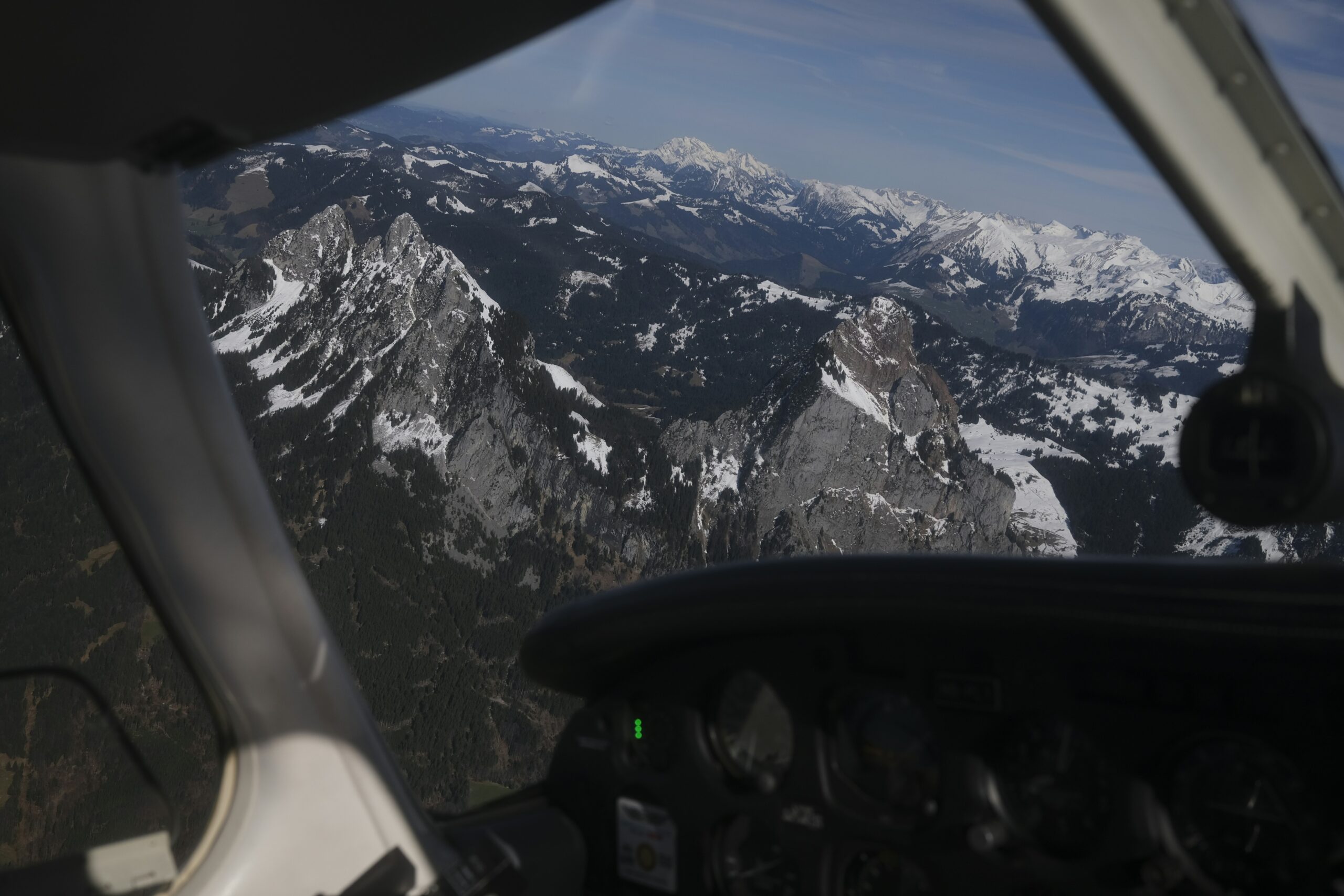
The discipline of teaching others to fly builds a mindset rooted in precision, awareness, and adaptability. These same qualities prove invaluable when navigating unpredictable mountain terrain. Although aviation and alpine environments may seem worlds apart, both demand sharp judgment, structured thinking, and constant risk evaluation. As a result, individuals with flight instruction experience often transition smoothly into mountain settings, bringing a unique advantage in safety and leadership.
Situational Awareness in Dynamic Conditions
Flight instructors develop exceptional situational awareness because they must track multiple variables at once. Weather shifts, air traffic, aircraft performance, and student behavior all require constant monitoring. Similarly, mountain environments present rapidly changing conditions such as shifting weather, unstable snowpack, and varying terrain. Therefore, the ability to observe, interpret, and anticipate becomes essential in both settings.
Moreover, instructors learn to think several steps ahead, which directly translates to safer decision-making in the mountains. For instance, recognizing early signs of a storm or avalanche risk can prevent dangerous situations. Consequently, this proactive mindset reduces uncertainty and builds confidence when facing complex outdoor challenges.
Structured Decision-Making Under Pressure
In aviation training, instructors rely on structured decision-making frameworks to manage risk effectively. They teach students how to assess scenarios, weigh options, and act decisively. This systematic approach proves equally valuable in mountain environments, where quick yet informed decisions often determine safety outcomes.
Additionally, pressure in both environments can escalate quickly. A minor issue in flight can evolve into a critical situation, just as a small misstep in the mountains can lead to serious consequences. However, flight instructors remain calm because they practice handling high-stress situations regularly. As a result, they carry this composure into mountain settings, allowing them to make clear, rational choices even when conditions become challenging.
Communication and Leadership in Remote Settings
Clear communication stands at the core of effective flight instruction. Instructors must convey complex information in a way that students understand immediately. Likewise, mountain environments often require concise and direct communication, especially in group settings where safety depends on coordination.
Furthermore, leadership plays a crucial role in both fields. Flight instructors guide students through unfamiliar experiences, building trust and confidence along the way. Similarly, in the mountains, strong leadership ensures that teams stay organized and focused. Therefore, individuals with teaching experience often excel at managing group dynamics and maintaining morale in demanding conditions.
Risk Management and Safety Culture
Aviation emphasizes a strong safety culture, and flight instructors serve as its frontline ambassadors. They teach students to identify hazards, mitigate risks, and prioritize safety above all else. This mindset aligns perfectly with mountain activities, where risk management remains a constant priority.
In addition, instructors develop the habit of conducting thorough pre-flight checks, which parallels the preparation required before entering mountain terrain. Checking equipment, evaluating conditions, and planning routes all mirror aviation practices. Consequently, this disciplined approach minimizes preventable errors and enhances overall safety in outdoor adventures.
Adaptability and Continuous Learning
Flight instructors understand that no two flights are identical. Conditions change, students learn at different paces, and unexpected challenges arise. Therefore, adaptability becomes a core skill. This flexibility proves equally important in mountain environments, where variables such as weather and terrain can shift without warning.
At the same time, instructors embrace continuous learning as part of their professional growth. They regularly update their knowledge and refine their techniques. Similarly, mountain enthusiasts must stay informed about new safety practices, environmental changes, and evolving equipment. As a result, the shared commitment to learning strengthens performance and resilience in both domains.
Teaching Mindset and Knowledge Transfer
One of the most valuable aspects of flight instruction is the ability to teach effectively. Instructors break down complex concepts into manageable steps, ensuring that students gain both understanding and confidence. This teaching mindset translates seamlessly into mountain environments, where sharing knowledge can significantly improve group safety.
Moreover, individuals with instructional experience often take on mentorship roles in outdoor settings. They guide less experienced participants, helping them develop essential skills and awareness. Consequently, this transfer of knowledge fosters a culture of safety and preparedness, benefiting everyone involved.
Mental Discipline and Focus
Aviation demands unwavering focus because even small distractions can have serious consequences. Flight instructors train themselves to maintain concentration over extended periods, ensuring that every detail receives attention. This mental discipline becomes equally important in the mountains, where focus can mean the difference between safety and danger.
Furthermore, maintaining composure under pressure allows instructors to respond effectively to unexpected situations. In mountain environments, challenges such as sudden weather changes or difficult terrain require the same level of attention and calmness. Therefore, the ability to stay mentally sharp enhances both performance and safety.
Bridging Two High-Stakes Worlds
Although aviation and mountain exploration differ in setting, they share a foundation built on awareness, preparation, and responsibility. Flight instructors bring a structured approach that enhances safety and decision-making in outdoor environments. As a result, their skills extend far beyond the cockpit, proving valuable in a wide range of high-stakes situations.
Ultimately, the transition from teaching in the air to navigating mountain terrain highlights the versatility of these competencies. By applying aviation principles to outdoor challenges, individuals can improve safety outcomes and lead with confidence. Consequently, this unique skill set bridges two demanding worlds, demonstrating that strong training in one field can elevate performance in another.